How an Indonesian Fleet Operator Tamed Fuel Loss with Jimi IoT
Industry: Fleet Management
Products: VL802 trackers + CLS2 fuel sensors
Summary
In Indonesia’s bustling transportation sector, one fleet operator faced a perplexing predator: disappearing fuel. Tanks went mysteriously light, drivers reported phantom refueling amounts, and margins quietly eroded.
By deploying Jimi IoT’s VL802 trackers paired with CLS2 fuel sensors, the company gained real-time visibility into vehicle locations, fuel consumption, driver behavior, and idling time. What had once been invisible became measurable, predictable, and manageable.
With Jimi IoT’s solution, the fleet has achieved:
- 10% drop in average fuel consumption, saving roughly $3,000 per month
- Idling reduced from 2 hours to 30 minutes per truck per day
- Harsh acceleration and sudden braking reduced by 40%, resulting in smoother rides and less wear on vehicles
- Over 90% of routes now arriving on schedule, improving reliability and operational efficiency
- Transparent driver behavior monitoring, fostering trust and better collaboration across the team
The Challenge: When fuel behaves like a mysterious wild creature
The sun hung low over the depot in Indonesia, casting long shadows across the dusty yard. Arif, the fleet manager, squinted at the fuel gauges and muttered, “It’s disappearing again… and I swear it has a mind of its own.”
Around him, trucks rumbled and drivers went about their business as if nothing were amiss. To the untrained eye, it was a perfectly normal day. But Arif had seen the signs: tanks mysteriously lighter than yesterday, receipts that didn’t quite add up, and the occasional panicked driver explaining how a “phantom leak” had swallowed precious liters.
It reminded him of one of those wildlife documentaries he loved, where an elusive predator slips through the underbrush, leaving the observer bewildered. Only here, the creature was invisible, smelled faintly of diesel, and had a peculiar taste for company profits.
“Did the truck eat it?” joked his assistant, barely suppressing a laugh.
“If it did,” Arif replied, “it’s one hungry beast, and I’d like to know where it sleeps.”
Every refueling stop became a delicate ritual. Drivers insisted their tanks were full; the fuel pumps whispered otherwise. Sometimes Arif wondered if the vehicles were conspiring, siphoning their own fuel in quiet rebellion. Yet the consequences were all too real: dwindling margins, tense meetings, and mounting frustration.
The truth was unavoidable: whether it was the occasional rogue driver or the unnoticed thefts along the route, fuel was vanishing. And with it, the company’s confidence. If they wanted to regain control, optimize operations, and restore trust, they needed a way to see the invisible, track every drop, and finally tame this unpredictable beast.
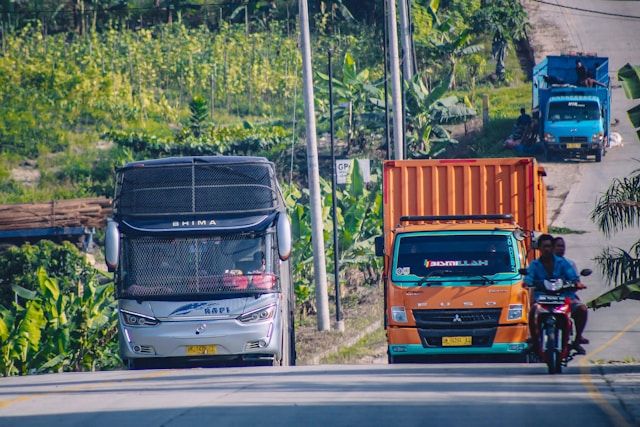
The Solution: From Blind Spots to Clear Insights
Faced with mounting fuel losses and unanswered questions, the company decided to try Jimi IoT’s VL802 vehicle tracker paired with the CLS2 fuel sensor. Almost immediately, the picture began to change.
Screens lit up with moving dots, each one a truck on the road. Live tracking let Arif and his team see their fleet in real time. No more guessing where a driver had gone, no more waiting for a phone call.
One morning, Yuli, the dispatcher, frowned at her screen. “Pak Arif,” she called out, “fuel just dropped twenty liters in five minutes on Vehicle 10.”
Arif quickly called the driver. A shaky voice came back: “Someone tried to siphon the tank while I stopped for coffee.”
For the first time, fuel theft wasn’t a rumor discovered days later. It was caught in the act.
The system also brought subtler issues to light. The dashboard showed one truck had spent over two hours idling in a single day. Arif invited the driver for a quick chat and shared the data. “Sometimes waiting is unavoidable,” he said gently, “but if we turn off the engine during pauses like this, it saves fuel, and makes a real difference for the whole team.” The driver nodded, appreciating that the feedback came with guidance, not criticism.
Data also revealed frequent harsh accelerations and sudden braking during city deliveries. It wasn’t dangerous in the moment, but it raised safety concerns and increased fuel consumption. The training manager sat down with the driver over coffee and explained, “A smoother drive keeps you safer and puts less strain on the truck. In the long run, it helps everyone.” The advice stuck: safety first, with savings as a welcome bonus.
At any moment, the operations team could open the dashboard to see each truck’s current fuel level, distance traveled, and average consumption per 100 kilometers. No more paperwork, no more disputes, just clear information that helped managers and drivers work toward the same goal.
For the first time, the company wasn’t managing on trust alone. They had proof, insight, and the ability to act before small problems turned into costly losses.
Arif felt a surge of relief seeing the change. “Now we can really see what’s happening on the road. It’s not just about saving fuel. This helps us keep everyone safe and makes running the fleet a lot smoother.”
The Results: Fuel, Trust, and Efficiency
Weeks after introducing Jimi IoT’s VL802 trackers and CLS2 fuel sensors, the depot felt remarkably different. The tension that had once hung over Arif and his team had eased, replaced by a quiet sense of confidence.
Fuel consumption steadily dropped. The fleet’s average usage fell by 10%, saving roughly $3,000 per month, enough to fund maintenance and minor upgrades without straining the budget. Vehicle 10, once notorious for phantom drops, now showed consistent, predictable consumption, with alerts reduced to just a handful each month.
Driver behavior also improved noticeably. Idling incidents, which had previously averaged two hours per truck per day, were now closer to 30 minutes. Harsh acceleration and sudden braking dropped by 40%, resulting in smoother rides, less wear on vehicles, and a subtle but meaningful improvement in delivery times. Routes that were often delayed by 15–20 minutes were now arriving on schedule over 90% of the time.
The human impact was just as significant. Drivers who had once bristled at oversight now welcomed guidance, seeing that their efforts were measured fairly and transparently. Arif remembered one driver commenting over coffee how the new system helped him understand the real impact of his driving. No one was being accused anymore. The numbers told the story, and drivers could see the difference their habits made.
Arif noticed morale improving alongside the metrics. Fewer disputes over fuel meant calmer meetings, and a shared understanding of performance fostered trust. The combination of measurable outcomes and positive behavioral changes had created a rhythm where efficiency, safety, and accountability reinforced each other.
For Arif, the proof was both in the numbers and the new sense of calm across the fleet. “When we saw the data rolling in, it wasn’t just numbers on a screen. It was proof that our trucks and drivers were finally operating efficiently. Each drop of fuel accounted for, each delay analyzed, each harsh braking event noted. It all added up, and the impact was immediate.